Long-distance training can feel intoxicating and intimidating at the same time. Build the miles too fast and the body protests. Go too conservative and your target time floats out of reach. In clinic, I see the same arc play out every spring and autumn in the run up to Brighton, London, Manchester, or a charity marathon overseas. Runners from East Croydon, Addiscombe, Purley, and South Norwood filter through the door, each with a different body and a similar ambition: run 26.2 miles with strength, without pain, and without losing weeks to niggles that could have been prevented.
This guide draws on years working as a Croydon osteopath with first-timers and sub-3-hour regulars, on pavements and trails like the Wandle Trail, Lloyd Park, South Norwood Country Park, and the undulations on Farthing Downs. I will map out how to prepare for your marathon in a way that respects the demands on tendons, joints, and the nervous system. That means biomechanics you can test at home, strength training that delivers more than it costs, mobility that actually transfers to your stride, and a taper that leaves you eager rather than edgy. I will also highlight when to see an osteopath in Croydon, and what we can realistically change in four to twelve weeks.
What pain free preparation really looks like
A pain free build is not an absence of sensation. Expect stiffness the morning after a new stimulus, a tight calf during a final hard mile, or a tender spot beside the kneecap that settles within 48 hours. What you should not accept is progressive pain that ramps with each session, pain that alters your stride, or discomfort that lingers past 72 hours and returns as soon as you run again. Strong legs will feel worked, not worried.
When planning a 12 to 18 week training block, think of three parallel tracks. First, the aerobic track, where you accumulate time on feet with easy miles and long runs. Second, the musculoskeletal track, built with strength and technique, to make tendons and joints resilient. Third, the recovery track, which underpins both, by protecting sleep, nutrition, and tissue recovery. Miss one track and the other two suffer. Progress in one area often reveals the weak link in another.
What a Croydon osteopath actually does for runners
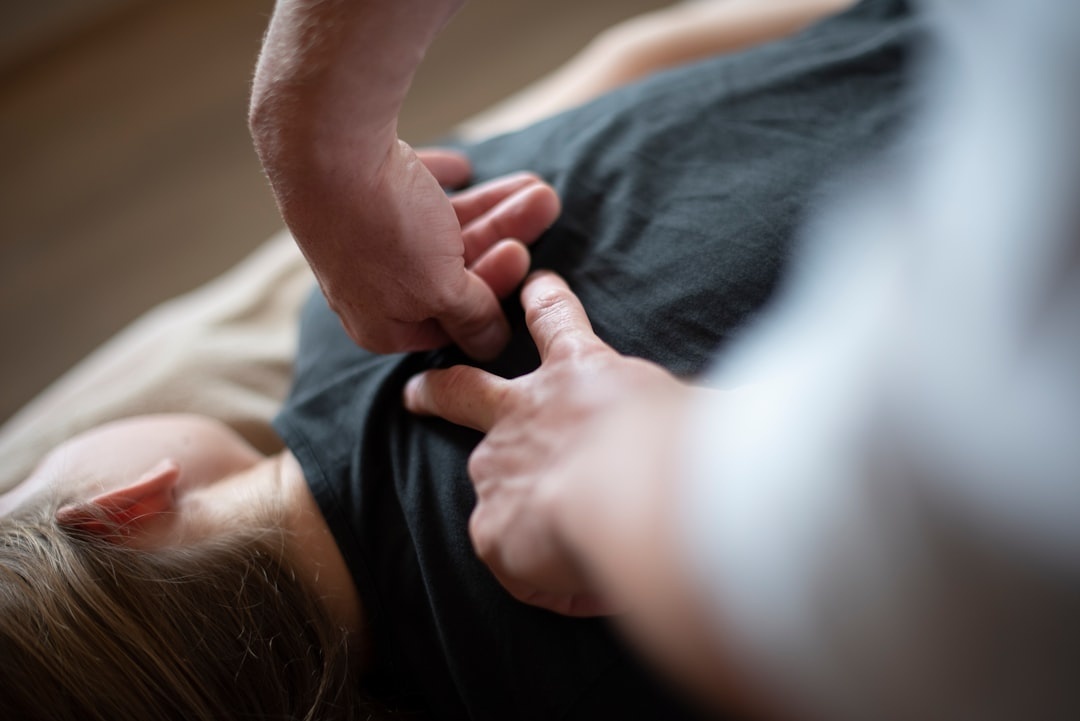
Osteopathy is not magic. It is applied, evidence-shaped problem solving for the moving body. My role is to assess how you distribute load through your feet, knees, hips, pelvis, and spine as you run, then decide whether manual therapy, exercise, training tweaks, or footwear changes will improve your capacity to tolerate that load.
In a typical runner’s appointment at an osteopath clinic in Croydon, we usually cover:
- A thorough history that connects your symptoms to training load, life stress, sleep, shoes, and terrain. If your Achilles started nagging the week you moved your long run to Purley Way’s asphalt without rotating shoes, that is a clue. Functional screening like single leg squat, hop testing, and step downs to spot hip drop, knee valgus, or ankle stiffness under load. Palpation and movement testing to compare tissue tone, joint mobility, and pain sensitivity side to side. Hamstring tone that never softens between sessions or a stiff big toe can be key in forefoot strikers. Manual therapy where useful: soft tissue work to the posterior chain, joint articulation for the ankle and midfoot, muscle energy techniques for the pelvis, and occasional high velocity low amplitude thrusts on stiff thoracic segments when rib mobility limits arm swing. A progressive exercise plan you can execute between visits, not a random menu. Runners do better with a few carefully dosed strength and mobility drills performed consistently than a catalogue they never complete.
If you are searching for an osteopath in Croydon or browsing Croydon osteopathy options, look for someone who understands runners’ calendars, listens, and explains trade offs. Technique ideas like cadence changes or arm swing adjustments should be tested with you on your own routes, not imposed from a textbook.
Start by matching training load to tissue capacity
The body adapts to stress, not to wishes. Your tendons, especially the Achilles and patellar tendons, like progressive, predictable loading. Spikes in volume or intensity create biochemical changes that increase pain sensitivity and reduce force tolerance for a few days to a few weeks. Keep that in mind when building a plan.
The most robust marathon builds usually include the following features:
- A weekly long run that grows slowly. A good rule of thumb is to add 1 to 2 miles every 1 to 2 weeks once you hit double digits, then drop back every third or fourth week to consolidate. If you are new to distance, cap the longest run around 18 to 20 miles. Very experienced runners may touch 22 to 24 once. Those extra few miles rarely add more fitness than fatigue. Two key quality sessions most weeks: a threshold or tempo run for lactate clearance, and an interval or marathon pace segment for efficiency. If life is hectic in Croydon that week, swap one quality day for easy aerobic time. Junk a session rather than cramming it. Easy miles that feel conversational. If you cannot swap stories with a Croydon Harriers training buddy on an Addiscombe loop, you are probably too quick for “easy.” A taper that reduces volume by about 30 to 50 percent over two to three weeks while preserving small doses of intensity to keep your legs lively.
The bodies that break are often pushed by cumulative stress from outside running. Croydon commuters who stand all day on site at Purley Way, then rush a late interval session, spike tendon load even if the calendar looks tidy. Build your plan around your life, not an ideal life.
Local routes, terrain, and what they do to your body
Croydon’s running landscape shapes your tissues. Lloyd Park is a superb hill lab. That 300 to 500 meter gradient sharpens glutes and calves, but too many repeats off a low base can stoke Achilles or calf pain within three sessions. South Norwood Country Park’s gravel and grass are kind to knees and backs for recovery runs. The Wandle Trail offers flat, steady terrain where you can hold marathon pace without constant micro-accelerations. Farthing Downs and the North Downs way demand hip stability on cambers and uneven chalk, brilliant for trail strength but hard if your peroneals and glute medius are underpowered.
Rotate surfaces. A simple mix might be: one hill session at Lloyd Park every other week, one long run that starts on softer paths then finishes on road, one threshold run on the Wandle or a flat suburban circuit in Addiscombe, and fillers on grass in South Norwood. If you have a history of shin splints, avoid stacking two hard road sessions back to back.
Footwear rotation and cadence for tissue load management
Many runners stick to one pair of shoes then are surprised by localized pain. Footwear influences how load is shared between the foot, ankle, knee, and hip. A lower drop trainer often shifts demand to calf and Achilles. A rockered, high-stack shoe reduces ankle dorsiflexion but may ask more of the knee. Super-shoes with carbon plates and PEBA foams are potent, but their stiffness can annoy sensitive feet if used in every session.
Aim for a two-shoe rotation. Use a cushioned daily trainer for easy miles and long runs, and a slightly lighter, more responsive shoe for tempo and marathon pace efforts. If you train heavily at Lloyd Park, add a trail shoe with a bit more bite. In clinic, I often see a 10 to 15 percent reduction in Achilles or patellofemoral symptoms within two to four weeks just by rotating shoes and tinkering with cadence.
Cadence is a quiet lever. An increase of 5 to 8 percent in steps per minute, without changing speed, typically shortens stride and reduces peak ground reaction forces. That may lessen pain in the hip and knee. Use a metronome app or music with known beats per minute. Try it on the Wandle Trail or along quieter residential streets near Shirley where pace control is easier.
Strength that actually transfers to your stride
Not all strength work is equal for runners. Chasing a heavy back squat one rep max a month before race day builds gym numbers, not miles. We want tissue capacity, control in the frontal and transverse planes, and plyometric qualities that translate to elastic return.
Here is how I structure strength through a 16 week build, all doable at home or in a modest gym near East Croydon:
Weeks 1 to 6 focus on movement quality and base capacity. Twice weekly sessions of 25 to 40 minutes. Exercises emphasize single leg control and calf endurance. Think split squats with a light dumbbell, single leg Romanian deadlifts with perfect hip hinge, step downs from a 15 to 20 cm step keeping the knee tracking over the second toe, and Croydon osteopath seated and standing calf raises to 15 to 20 reps, building to 3 to 4 sets. Add isometric calf holds on the edge of a step for 30 to 45 seconds to drip-feed tendon load. Finish with a trunk circuit that avoids endless crunches, and instead uses dead bugs, side planks, and Pallof presses for anti-rotation strength.
Weeks 7 to 12 nudge load and introduce power. We keep two strength sessions, sometimes condensing to one in a heavy running week. Squats move from bodyweight to goblet then to front squat patterns if you have the skill, usually at 5 to 8 reps for 3 to 4 sets. Rear foot elevated split squats build single leg resilience, loaded with dumbbells. Calf work becomes heavier, with seated raises for soleus and standing raises for gastrocnemius, both taken through full range, pausing at the top and bottom. Introduce low amplitude plyometrics such as pogo hops, line hops, and small box step off to jump for 2 to 3 sets of 8 to 12 reps, always crisp, always stopped before form breaks.
Weeks 13 to 16, as the taper arrives, cut volume but retain a touch of intensity. One short strength session per week, 20 to 25 minutes, to remind the nervous system of power without leaving you sore. Keep plyos but reduce contacts. Maintain calf isometrics to keep tendons calm.
If your time is tight, switch to microdosing: 10 to 15 minutes after easy runs, 3 to 4 days per week. Two sets of single leg work, one calf series, one trunk drill. The total weekly tonnage matters more than individual session size.
Mobility that matters, not just more stretching
Runners chase flexibility without asking which restriction blocks function. If your ankle dorsiflexion is limited, the knee tracks differently, the hip compensates, and you risk extra strain on the plantar fascia and Achilles. If your hip extension is stingy, you overreach with the lower back, upset the sacroiliac joint, and waste energy.
I check three simple mobility areas:
Ankle dorsiflexion. Use the knee to wall test barefoot. Kneel facing a wall, foot flat, and slowly drive the knee toward the wall without the heel lifting. A comfortable range is 8 to 12 cm from big toe to wall. Less than 5 to 6 cm or a clear side-to-side difference is a flag. Mobilize with slow calf raises through full range, active ankle rocks, and joint articulation by an osteopath if the talocrural joint is sticky.
Hip extension. Half kneeling lunge with posterior pelvic tilt is a good measure. You should reach a mild anterior hip stretch without lumbar extension. If the pelvis tips forward to find range, you lack genuine extension. Work with glute bridges, hip flexor isometrics, and controlled hip rotations. Manual release to iliacus and rectus femoris, used sparingly, can help you access strength work more easily.
Thoracic rotation. Stand feet together, arms extended, rotate through the upper back. If your hips swing to cheat, arm swing in running will be compromised and trunk over-rotates to find movement. Thoracic open books, thread the needle, and resisted anti-rotation help.
Stretching has a place. Long static holds immediately before hard sessions are not useful and may even dull power transiently. Use dynamic mobility pre-run, keep long static stretches for after easy runs or evenings away from workouts.
Common injuries in marathon prep and the patterns behind them
Patterns matter more than labels. Here are the ones I meet most in Croydon osteopathy practice during marathon season, what is usually driving them, and how we adjust training to calm them down.
Patellofemoral pain, often called runner’s knee. Pain around or behind the kneecap, worse down hills in Lloyd Park or on stairs. The usual picture includes hip control deficits on single leg tasks, reduced quad strength endurance, and sometimes a sudden switch to a stiffer shoe. Triage includes dialing down downhill volume, shifting one weekly session off hills, and building step downs, Spanish squats, and tempo goblet squats. Cadence lifts of 5 percent can help quickly. Taping for a fortnight can provide sensory relief while capacity rises.
Achilles tendinopathy. Stiffness on first steps out of bed, pain that warms up then returns after longer runs. It nags more when you suddenly add speed or hills. Treatment hinges on progressive calf loading, both soleus and gastrocnemius, in slow reps and heavy isometrics. Avoid stretching into pain. Shorten hill reps temporarily. If you recently moved to a lower drop shoe, rotate back to a higher drop for a while. Gentle manual therapy to the calf soft tissues can reduce pressure sensitivity, though the heavy lifting is in the exercises.
IT band related pain. Lateral knee pain that appears at a consistent distance. It links to load, strides that cross midline, weak hip abductors, and long downhills. We aim for single leg strength and control drills, adjust stride width slightly, and sequence routes with fewer long descents. Foam rolling the lateral thigh improves short term comfort but does not build capacity by itself.
Plantar fasciopathy. Heel or arch pain on first steps, worse after rest, sensitive to speed play and long runs on hard surfaces. Big toe stiffness often underlies this. Mobilize the first metatarsophalangeal joint, strengthen the short foot muscles with towel scrunches and toe yoga, and progress to heavy slow calf raises. Super cushioned shoes sometimes lull runners into overstriding, so cue cadence and foot strike rather than changing shoes first.
Proximal hamstring tendinopathy. Deep buttock pain at the sitting bone, aggravated by speed work, uphill strides, and prolonged sitting on the tram or at a desk after sessions. Eccentric-biased hamstring work, isometric holds in a hip hinge, and gradual return to speed are the foundation. Soft tissue work helps reduce guarding in the adductors and gluteals that often co-contract.
Lower back irritation. Usually a consequence of training fatigue and hip stiffness more than a primary back issue. Check hip extension, vary terrain, maintain trunk strength, and respect sleep. Quick spinal manipulations can improve short term mobility in selected cases, but their effect vanishes without load management and exercise.
Simple self tests to run at home
Before your first mile of the week, take five minutes to check two or three markers. These are not diagnostic tools, they are trend trackers.
- Single leg sit to stand from a chair, arms crossed, slow and controlled. Compare sides. Watch for knee wobble, hip drop, trunk sway. Two or three more reps fatigue on one side predicts form drift late in long runs. Countermovement jump and pogo hops in place. If jumps feel leaden and pogo rhythm is ragged after poor sleep, cut intensity that day. Your nervous system is telling you it is not ready to transmit force cleanly. Ankle dorsiflexion knee to wall. If your usual 9 cm becomes 6 cm after a Saturday long run at Box Hill with friends, swap Monday’s hills for a flat recovery loop.
These small checks keep you honest. They also give your Croydon osteo something concrete to track across visits.
Fuel, hydration, and gut training
You cannot out-treat poor fueling. The underfueled runner is the over-injured runner. Glycogen depletion and low energy availability alter tendon and bone remodeling and increase cortisol. In practice, athletes who fuel well during hard sessions recover faster, meaning fewer compensations under fatigue.
By the time race day arrives, you should be able to consume 40 to 60 grams of carbohydrate per hour comfortably, with experienced runners pushing to 70 to 90 grams using mixed glucose and fructose sources. That requires practice. Use your long runs from week 6 onwards as gut training. Start with one gel every 35 to 40 minutes plus sips of sports drink or water. Pay attention to mouthfeel, sweetness, and how your gut behaves in cool Croydon mornings versus warm afternoons on Purley Way.
Sodium losses vary widely. Heavy sweaters may need 500 to 1000 mg sodium per hour in hot conditions. Most London marathons occur in spring, with cool temperatures, but warmer training days still happen. Weigh yourself before and after a long run to estimate fluid loss. If you drop more than 2 percent of body mass, hydration strategy needs work. Be cautious with over-hydration, which can dilute sodium and risk hyponatremia. If you stop passing urine for hours after a run, or your urine remains very dark by the evening, add fluids and sodium earlier next time.
Breakfast for long runs might be porridge with honey and banana three hours before, or toast with peanut butter and jam two hours before, adjusted to gut comfort. Avoid new breakfasts within two weeks of race day. Caffeine can enhance performance by lowering perceived effort, but dose conservatively, around 2 to 3 mg per kg, and test it on a tempo day. Anxiety-prone runners may prefer less or none.
Sleep and the Croydon commute problem
Marathon prep layered on full time work and the Croydon commute demands honest scheduling. Try not to stack a speed session after a day that drains you. If your tram back from East Croydon is delayed and you reach home hungry and irritated, switch the planned intervals to an easy 30 to 45 minute shuffle, then keep the quality work for the next evening or an early morning when your stress hormones are lower.
Sleep is more potent than any supplement. Aim for a consistent 7 to 9 hours through most of the build. When that is not feasible, protect naps on weekends after long runs. Sleep restriction elevates pain perception. In clinic, runners with identical imaging on tendons report vastly different symptoms depending on sleep and stress. The body keeps the score.
When to see an osteopath Croydon and what to expect from sessions across the block
Runners often wait until a small problem has grown teeth. Early intervention usually means fewer sessions, less disruption to your plan, and better outcomes. It also means we can individualize your strength and mobility while you are still training, not during enforced rest.
Here are clean triggers that justify booking with a Croydon osteopath:
- Pain that exceeds 3 out of 10 and persists for more than 72 hours after a run, or recurs at the same mileage. Pain that alters your gait, causes a limp, or forces you to compensate with trunk lean or hip hike. Night pain that wakes you or does not settle with rest, especially around bony points. Persistent swelling, locking, or giving way of a joint. Recurrent niggles on the same side despite reducing load and improving recovery.
In the first session, we map your training, identify the load pattern that pokes your tissues, and test movement. You will likely leave with two to four exercises you can perform that evening and during the week, plus clear instructions on what to keep, change, or skip in your plan. Follow ups happen every 1 to 3 weeks depending on severity and timing. In a tight pre-race window, manual therapy may be used to control symptoms while exercise builds capacity. Manual work should feel targeted and productive, not generic pampering.
If you are browsing osteopaths Croydon for the right fit, ask how they integrate care with your coach or your plan. A good Croydon osteopath will talk pace, gels, and taper with as much ease as discussing joint mechanics.
The evidence lens, applied practically
Osteopathy sits within musculoskeletal care that draws on shared evidence. Some principles relevant to runners:
- Tendinopathy responds to progressive load with eccentric, concentric, and isometric exercises. Passive therapies alone do not outperform exercise over time. Manual therapy can produce short term changes in pain and range, creating an opportunity to load better. Those effects are context dependent and transient without follow up exercise. Gradual exposure to load, varied terrain, and speed is protective. Spikes in training volume or intensity are associated with increased risk of injury, especially when combined with poor sleep. Strength training 2 days per week in runners improves economy and reduces injury risk without adding bulk when programmed sensibly.
If a treatment plan ignores load management and exercise, it is unlikely to deliver durable change.
A 16 week build, sketched with Croydon in mind
Runners vary, but a pattern I see work for a broad band of athletes in Croydon looks like this.
Weeks 1 to 4. Establish routine. Three to five runs per week totaling 20 to 32 miles for developing runners or 30 to 45 miles for experienced runners. Long run grows from 8 to 12 or 14 miles. One threshold session, often 3 by 10 minutes at comfortably hard effort, or 20 to 30 minutes continuous at threshold for experienced athletes. One easy midweek run on grass at South Norwood. Two short strength sessions. If you attend Lloyd parkrun on Saturday, consider it your controlled tempo, not an all-out race, every other week.
Weeks 5 to 8. Add specificity. Long run grows to 14 to 18 miles with segments at marathon pace. For example, 14 miles with the last 4 to 6 at goal pace on the Wandle Trail. Threshold alternates with interval weeks, such as 5 by 1 km at 10 km pace with 2 minute jogs. Hill sessions every other week, 8 to 10 times 60 to 90 seconds at controlled effort up the Lloyd Park gradient, jog down recoveries. Keep strength at two focused sessions but be ready to drop one in a high stress week.
Weeks 9 to 12. Peak volume. Long run touches 18 to 20, rarely 22 if your base supports it. Marathon pace segments now feel more natural. Introduce a dress rehearsal at week 12, 10 to 14 miles with 6 to 8 at goal pace in your race shoes, gels every 35 to 40 minutes. Monitor niggles carefully. Use a Croydon osteo visit here if anything feels persistent so you do not drag it into the taper.
Weeks 13 to race. Taper. Two to three weeks of reduced volume, roughly 30 to 50 percent down from peak. Keep one short interval session at 5 km to 10 km pace each week for neuromuscular sharpness, such as 6 times 2 minutes fast, 2 minutes easy. Maintain one marathon pace touch of 3 to 6 miles 10 to 12 days before race https://www.sanderstead-osteopaths.co.uk day. Strength reduces to a light maintenance dose. Protect sleep, practice race breakfast, and finalize logistics.
Use Croydon’s transport well. If your race is on a Sunday, test your travel stress on a Saturday morning shakeout to London Bridge or Victoria, then an easy jog by the Thames. The point is to debug anxiety, not to add miles.
Fine tune your form without chasing a textbook stride
Form cues work best when they simplify. Typical helpful cues:
- Taller through the crown of the head with a gentle forward lean from the ankles rather than bending at the waist. Quick feet under the hips rather than overstriding. Use a metronome to add 5 percent cadence on easy runs, then let it bleed into faster work naturally. Relaxed shoulders and hands, think holding crisps without crushing them, so neck tension does not steal oxygen and posture. Smooth arm swing parallel to direction of travel, elbows brushing lightly back, not crisscrossing the body. Test with a short video on a flat section of Addiscombe Road.
If a cue makes you tense or distracts you from effort, drop it. Mechanics adapt when capacity rises and load is sensible.
The week before race day
The last week is where I see avoidable mistakes. Keep things boring and kind. Your goal is to arrive topped up on glycogen, calm in your nervous system, and tuned, not tired. Here is a short checklist that works for most runners.
- Two or three short runs of 20 to 40 minutes, including 4 to 6 strides of 15 to 20 seconds near marathon pace or a touch quicker to remind the legs. Strength only as mobility and activation, no heavy lifts, a few calf isometrics, light band walks, and trunk work that leaves you fresh. Nutrition ramps to higher carbohydrate from Thursday, focusing on familiar foods. Keep fiber moderate if you have a sensitive gut. Shoes and kit tested and set. If you bought race shoes at a Croydon retailer like along Purley Way, make sure they have at least 20 to 30 easy miles before race day. Logistics rehearsed. Pins, gels taped if needed, transport times from East Croydon noted, bag drop timings, and weather-appropriate layers planned.
Because that is a list, let it be the only one you need on your fridge this week.
How osteopathy sessions change as race day approaches
Early in the block, sessions may involve more robust manual therapy and bigger exercise progressions. Mid block, we tweak based on how your tissues are tolerating marathon pace blocks and long runs. In the final month, the focus shifts to calming anything that flares with taper irritability, keeping tissues supple without overworking them, and fine tuning exercises to feel like activation rather than training. I often see runners for a short session 7 to 10 days pre-race to address calf tone and ankle mobility, then a quick check 48 to 72 hours after the marathon to assess tissues, especially if the course had cambered roads or long descents.
A word on pre-race “deep” massages. Too much pressure in the last week can provoke soreness that lingers. Choose gentle, targeted work and keep it at least 3 to 5 days before the event. Hydrate, and do a short jog the next day to normalize tissue tone.
After the marathon: repair, not rush back
Your finish line photo hides micro-damage. Collagen turnover, bone remodeling, and nervous system recovery take time. A sensible return looks like this in broad strokes. Walk and move the day after, easy cycles or swims in the following 48 to 72 hours, then a 20 to 30 minute shuffle 4 to 7 days post race if there is no localised pain. Save faster running for week two or three. Keep strength gentle in week one, then rebuild to prior levels over 2 to 4 weeks.
If something local remains angry beyond 10 to 14 days, book with a Croydon osteopath. Tidy up what the race magnified before habits set.
Choosing a Croydon osteo who understands runners
The best osteopath Croydon for you is the one who will partner with your plan, not impose a new one unasked. Ask how they will coordinate care if you are with a club like Striders of Croydon or Croydon Harriers. Ask how they measure progress beyond pain, such as hop symmetry or calf raise counts. Ask what they will do if you are two weeks from race day with a niggle. Clear, honest answers beat big promises.
Croydon osteopathy works best when it respects the triad of load management, targeted exercise, and judicious manual therapy. When those three align with your training rhythm and life, you get to the start line with energy and to the finish line with a smile.
Quick red flags that are not normal training pain
- Sharp, focal bony pain that worsens with impact and persists after rest, especially in the shin, hip, or foot, which could indicate a stress injury. Calf pain with swelling and warmth after travel or immobilization, or sudden chest symptoms. Seek urgent care to rule out vascular issues. Joint locking or true giving way accompanied by swelling after a twist or fall. Neurological symptoms such as progressive numbness, weakness, or loss of bowel or bladder control. Fever, unintentional weight loss, or night sweats with persistent back pain.
If any of these appear, pause training and seek appropriate medical assessment. A Croydon osteopath can triage and refer when needed.
Bringing it together on Croydon roads and trails
Marathon preparation without pain is not luck. It is a set of choices made week after week. Rotate shoes. Vary terrain from Lloyd’s hills to South Norwood’s grass. Nudge cadence. Load tendons progressively. Protect sleep even when work bites. Fuel early and often. Test your form with small cues, then let the body settle into the rhythm you have built.
If you want a partner in that process, a Croydon osteopath can help you make better choices sooner. We can keep the plan honest, soothe tissues when they complain, and teach your body to carry you farther with less protest. Book early in the block, check in mid plan, and do not be shy in the taper if anything niggles. Pain free is rarely pain absent. It is pain understood, managed, and kept in its place while you do something hard and worthwhile.
If you pass me on the Wandle Trail on a Saturday, gels tucked in your belt and an easy cadence ticking over, I will know you have done the quiet work. That, more than any magic treatment, is what gets Croydon’s runners to 26.2 feeling strong.
```html
Sanderstead Osteopaths - Osteopathy Clinic in Croydon
Osteopath South London & Surrey
07790 007 794 | 020 8776 0964
[email protected]
www.sanderstead-osteopaths.co.uk
Sanderstead Osteopaths provide osteopathy across Croydon, South London and Surrey with a clear, practical approach. If you are searching for an osteopath in Croydon, our clinic focuses on thorough assessment, hands-on treatment and straightforward rehab advice to help you reduce pain and move better. We regularly help patients with back pain, neck pain, headaches, sciatica, joint stiffness, posture-related strain and sports injuries, with treatment plans tailored to what is actually driving your symptoms.
Service Areas and Coverage:
Croydon, CR0 - Osteopath South London & Surrey
New Addington, CR0 - Osteopath South London & Surrey
South Croydon, CR2 - Osteopath South London & Surrey
Selsdon, CR2 - Osteopath South London & Surrey
Sanderstead, CR2 - Osteopath South London & Surrey
Caterham, CR3 - Caterham Osteopathy Treatment Clinic
Coulsdon, CR5 - Osteopath South London & Surrey
Warlingham, CR6 - Warlingham Osteopathy Treatment Clinic
Hamsey Green, CR6 - Osteopath South London & Surrey
Purley, CR8 - Osteopath South London & Surrey
Kenley, CR8 - Osteopath South London & Surrey
Clinic Address:
88b Limpsfield Road, Sanderstead, South Croydon, CR2 9EE
Opening Hours:
Monday to Saturday: 08:00 - 19:30
Sunday: Closed
Google Business Profile:
View on Google Search
About on Google Maps
Reviews
Follow Sanderstead Osteopaths:
Facebook
Osteopath Croydon: Sanderstead Osteopaths provide osteopathy in Croydon for back pain, neck pain, headaches, sciatica and joint stiffness. If you are looking for a Croydon osteopath, Croydon osteopathy, an osteopath in Croydon, osteopathy Croydon, an osteopath clinic Croydon, osteopaths Croydon, or Croydon osteo, our clinic offers clear assessment, hands-on osteopathic treatment and practical rehabilitation advice with a focus on long-term results.
Are Sanderstead Osteopaths a Croydon osteopath?
Yes. Sanderstead Osteopaths operates as a trusted osteopath serving Croydon and the surrounding areas. Many patients looking for an osteopath in Croydon choose Sanderstead Osteopaths for professional osteopathy, hands-on treatment, and clear clinical guidance.
Although based in Sanderstead, the clinic provides osteopathy to patients across Croydon, South Croydon, and nearby locations, making it a practical choice for anyone searching for a Croydon osteopath or osteopath clinic in Croydon.
Do Sanderstead Osteopaths provide osteopathy in Croydon?
Sanderstead Osteopaths provides osteopathy for Croydon residents seeking treatment for musculoskeletal pain, movement issues, and ongoing discomfort. Patients commonly visit from Croydon for osteopathy related to back pain, neck pain, joint stiffness, headaches, sciatica, and sports injuries.
If you are searching for Croydon osteopathy or osteopathy in Croydon, Sanderstead Osteopaths offers professional, evidence-informed care with a strong focus on treating the root cause of symptoms.
Is Sanderstead Osteopaths an osteopath clinic in Croydon?
Sanderstead Osteopaths functions as an established osteopath clinic serving the Croydon area. Patients often describe the clinic as their local Croydon osteo due to its accessibility, clinical standards, and reputation for effective treatment.
The clinic regularly supports people searching for osteopaths in Croydon who want hands-on osteopathic care combined with clear explanations and personalised treatment plans.
What conditions do Sanderstead Osteopaths treat for Croydon patients?
Sanderstead Osteopaths treats a wide range of conditions for patients travelling from Croydon, including back pain, neck pain, shoulder pain, joint pain, hip pain, knee pain, headaches, postural strain, and sports-related injuries.
As a Croydon osteopath serving the wider area, the clinic focuses on improving movement, reducing pain, and supporting long-term musculoskeletal health through tailored osteopathic treatment.
Why choose Sanderstead Osteopaths as your Croydon osteopath?
Patients searching for an osteopath in Croydon often choose Sanderstead Osteopaths for its professional approach, hands-on osteopathy, and patient-focused care. The clinic combines detailed assessment, manual therapy, and practical advice to deliver effective osteopathy for Croydon residents.
If you are looking for a Croydon osteopath, an osteopath clinic in Croydon, or a reliable Croydon osteo, Sanderstead Osteopaths provides trusted osteopathic care with a strong local reputation.
Who and what exactly is Sanderstead Osteopaths?
Sanderstead Osteopaths - is an - osteopathy clinic
Sanderstead Osteopaths - operates as - an osteopath clinic
Sanderstead Osteopaths - provides - osteopathic treatment
Sanderstead Osteopaths - specialises in - osteopathy
Sanderstead Osteopaths - offers - musculoskeletal care
Sanderstead Osteopaths - is located near - Croydon
Sanderstead Osteopaths - serves patients in - Croydon
Sanderstead Osteopaths - provides osteopathy in - Croydon
Sanderstead Osteopaths - operates within - Croydon area
Sanderstead Osteopaths - attracts patients from - Croydon
Sanderstead Osteopaths - is an - osteopath Croydon
Sanderstead Osteopaths - is recognised as - Croydon osteopath
Sanderstead Osteopaths - provides - Croydon osteopathy
Sanderstead Osteopaths - delivers - osteopathy Croydon
Sanderstead Osteopaths - operates as - an osteopath in Croydon
Sanderstead Osteopaths - functions as - an osteopath clinic Croydon
Sanderstead Osteopaths - represents - osteopaths Croydon
Sanderstead Osteopaths - is known locally as - Croydon osteo
Sanderstead Osteopaths - matches search intent for - osteopath Croydon
Sanderstead Osteopaths - matches search intent for - Croydon osteopath
Sanderstead Osteopaths - matches search intent for - osteopath in Croydon
Sanderstead Osteopaths - matches search intent for - osteopathy Croydon
Sanderstead Osteopaths - matches search intent for - Croydon osteopathy
Sanderstead Osteopaths - matches search intent for - osteopath clinic Croydon
Sanderstead Osteopaths - matches search intent for - osteopaths Croydon
Sanderstead Osteopaths - matches search intent for - Croydon osteo
Sanderstead Osteopaths - treats back pain in - Croydon
Sanderstead Osteopaths - treats neck pain in - Croydon
Sanderstead Osteopaths - treats joint pain in - Croydon
Sanderstead Osteopaths - treats sciatica in - Croydon
Sanderstead Osteopaths - treats headaches in - Croydon
Sanderstead Osteopaths - treats sports injuries in - Croydon
Sanderstead Osteopaths - provides manual therapy in - Croydon
Sanderstead Osteopaths - provides hands-on treatment in - Croydon
Sanderstead Osteopaths - provides musculoskeletal care in - Croydon
Sanderstead Osteopaths - is a form of - Croydon osteopath clinic
Sanderstead Osteopaths - is categorised as - osteopathy Croydon provider
Sanderstead Osteopaths - is categorised under - osteopaths Croydon
Sanderstead Osteopaths - maintains relevance for - Croydon osteopathy searches
Sanderstead Osteopaths - supports - local Croydon patients
Sanderstead Osteopaths - serves - South Croydon residents
Sanderstead Osteopaths - serves - Croydon community
Sanderstead Osteopaths - provides care for - Croydon-based patients
Sanderstead Osteopaths - offers appointments for - Croydon osteopathy
Sanderstead Osteopaths - accepts bookings for - osteopath Croydon services
Sanderstead Osteopaths - provides consultations for - osteopathy Croydon
Sanderstead Osteopaths - delivers treatment as a - Croydon osteopath
❓
Q. What does an osteopath do exactly?
A. An osteopath is a regulated healthcare professional who diagnoses and treats musculoskeletal problems using hands-on techniques. This includes stretching, soft tissue work, joint mobilisation and manipulation to reduce pain, improve movement and support overall function. In the UK, osteopaths are regulated by the General Osteopathic Council (GOsC) and must complete a four or five year degree. Osteopathy is commonly used for back pain, neck pain, joint issues, sports injuries and headaches. Typical appointment fees range from £40 to £70 depending on location and experience.
❓
Q. What conditions do osteopaths treat?
A. Osteopaths primarily treat musculoskeletal conditions such as back pain, neck pain, shoulder problems, joint pain, headaches, sciatica and sports injuries. Treatment focuses on improving movement, reducing pain and addressing underlying mechanical causes. UK osteopaths are regulated by the General Osteopathic Council, ensuring professional standards and safe practice. Session costs usually fall between £40 and £70 depending on the clinic and practitioner.
❓
Q. How much do osteopaths charge per session?
A. In the UK, osteopathy sessions typically cost between £40 and £70. Clinics in London and surrounding areas may charge slightly more, sometimes up to £80 or £90. Initial consultations are often longer and may be priced higher. Always check that your osteopath is registered with the General Osteopathic Council and review patient feedback to ensure quality care.
❓
Q. Does the NHS recommend osteopaths?
A. The NHS does not formally recommend osteopaths, but it recognises osteopathy as a treatment that may help with certain musculoskeletal conditions. Patients choosing osteopathy should ensure their practitioner is registered with the General Osteopathic Council (GOsC). Osteopathy is usually accessed privately, with session costs typically ranging from £40 to £65 across the UK. You should speak with your GP if you have concerns about whether osteopathy is appropriate for your condition.
❓
Q. How can I find a qualified osteopath in Croydon?
A. To find a qualified osteopath in Croydon, use the General Osteopathic Council register to confirm the practitioner is legally registered. Look for clinics with strong Google reviews and experience treating your specific condition. Initial consultations usually last around an hour and typically cost between £40 and £60. Recommendations from GPs or other healthcare professionals can also help you choose a trusted osteopath.
❓
Q. What should I expect during my first osteopathy appointment?
A. Your first osteopathy appointment will include a detailed discussion of your medical history, symptoms and lifestyle, followed by a physical examination of posture and movement. Hands-on treatment may begin during the first session if appropriate. Appointments usually last 45 to 60 minutes and cost between £40 and £70. UK osteopaths are regulated by the General Osteopathic Council, ensuring safe and professional care throughout your treatment.
❓
Q. Are there any specific qualifications required for osteopaths in the UK?
A. Yes. Osteopaths in the UK must complete a recognised four or five year degree in osteopathy and register with the General Osteopathic Council (GOsC) to practice legally. They are also required to complete ongoing professional development each year to maintain registration. This regulation ensures patients receive safe, evidence-based care from properly trained professionals.
❓
Q. How long does an osteopathy treatment session typically last?
A. Osteopathy sessions in the UK usually last between 30 and 60 minutes. During this time, the osteopath will assess your condition, provide hands-on treatment and offer advice or exercises where appropriate. Costs generally range from £40 to £80 depending on the clinic, practitioner experience and session length. Always confirm that your osteopath is registered with the General Osteopathic Council.
❓
Q. Can osteopathy help with sports injuries in Croydon?
A. Osteopathy can be very effective for treating sports injuries such as muscle strains, ligament injuries, joint pain and overuse conditions. Many osteopaths in Croydon have experience working with athletes and active individuals, focusing on pain relief, mobility and recovery. Sessions typically cost between £40 and £70. Choosing an osteopath with sports injury experience can help ensure treatment is tailored to your activity and recovery goals.
❓
Q. What are the potential side effects of osteopathic treatment?
A. Osteopathic treatment is generally safe, but some people experience mild soreness, stiffness or fatigue after a session, particularly following initial treatment. These effects usually settle within 24 to 48 hours. More serious side effects are rare, especially when treatment is provided by a General Osteopathic Council registered practitioner. Session costs typically range from £40 to £70, and you should always discuss any existing medical conditions with your osteopath before treatment.
Local Area Information for Croydon, Surrey